

Fueling for Finals
As the semester wraps up, it’s easy to fall into an all-study, no-self-care routine. But taking care of yourself isn’t a distraction from studying; it’s one of the most effective ways to stay focused, retain information, and manage stress. If you want to feel more energized and get the most out of your study time, start with the basics: sleep, food, movement, and breaks. Here are some practical tips to help you stay well during finals season.
Sleep Is Study Time (Seriously)
It might be tempting to stay up late to squeeze in more studying, but sleep is when your brain actually processes and stores what you’ve learned. Skipping sleep can make it harder to concentrate, recall information, and think clearly. Aim for 7–9 hours of sleep when you can. You’ll likely get more out of a well-rested study session than a tired one.
Check In With Your Body
Your body gives you cues about what you need, especially during long study sessions. If you’re hungry, try a snack with a mix of nutrients like fruit and nuts or yogurt and granola. If you’re thirsty, keep water nearby and balance coffee with hydration. If your energy is low or you’re feeling restless, take a short walk, stretch, or step away for a few minutes. Staying in tune with these signals can help you study more effectively and feel better overall.
Build Balanced Meals
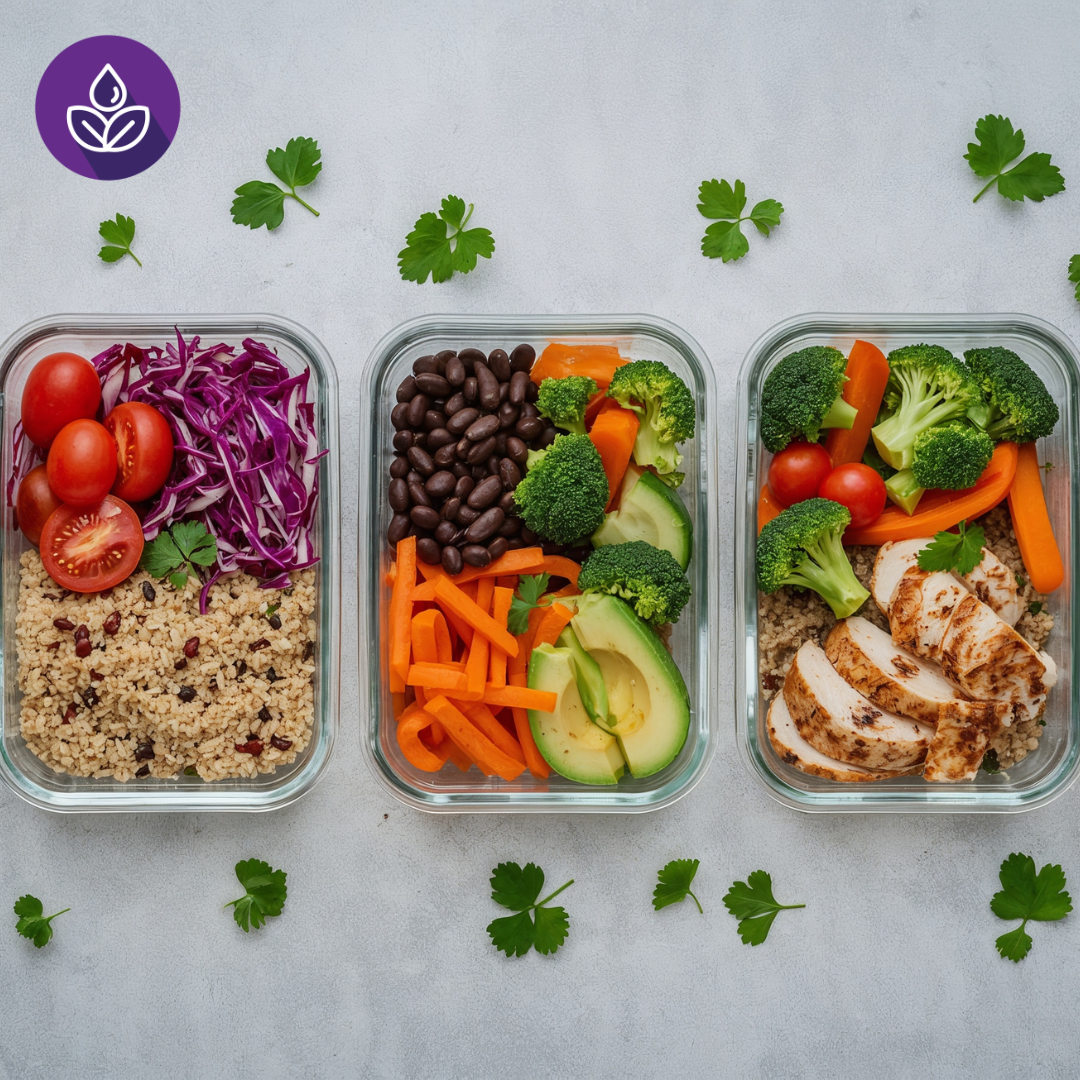
Eating regularly throughout the day helps keep your energy steady. Aim for meals that include a mix of protein, whole grains, and fruits and vegetables. There’s no “perfect” way to eat: focus on what works for your schedule, budget, and preferences.
Be Mindful with Caffeine and Sugar
Caffeine and sugary snacks can feel like quick fixes, but they often lead to energy crashes. Try pairing them with more sustaining options like nuts, seeds, or fruit to help keep your energy levels more stable throughout the day.
Make Food Easy
When time is tight, having food ready to go can make a big difference. Cooking larger portions of meals like soups, pasta, or stir-fries, prepping snacks ahead of time, and keeping quick options on hand can make it easier to stay nourished during busy study days.
Move Your Body (Your Brain Will Thank You)
Physical activity isn’t just good for your body, it can help improve focus, boost your mood, and reduce stress. This doesn’t have to mean a full workout. A quick walk around campus, stretching between study blocks, or a short workout or yoga session at home can all help you reset and refocus.
Take Breaks You Actually Enjoy
Breaks aren’t wasted time—they help you recharge. Whether it’s watching an episode of a show, calling a friend, baking, or just relaxing, give yourself permission to step away and reset. Setting a loose time limit can help you enjoy the break without losing momentum.
You don’t have to do everything perfectly. Even small changes like drinking more water, getting a bit more sleep, or taking a real break can make a noticeable difference. Taking care of yourself is part of doing well.