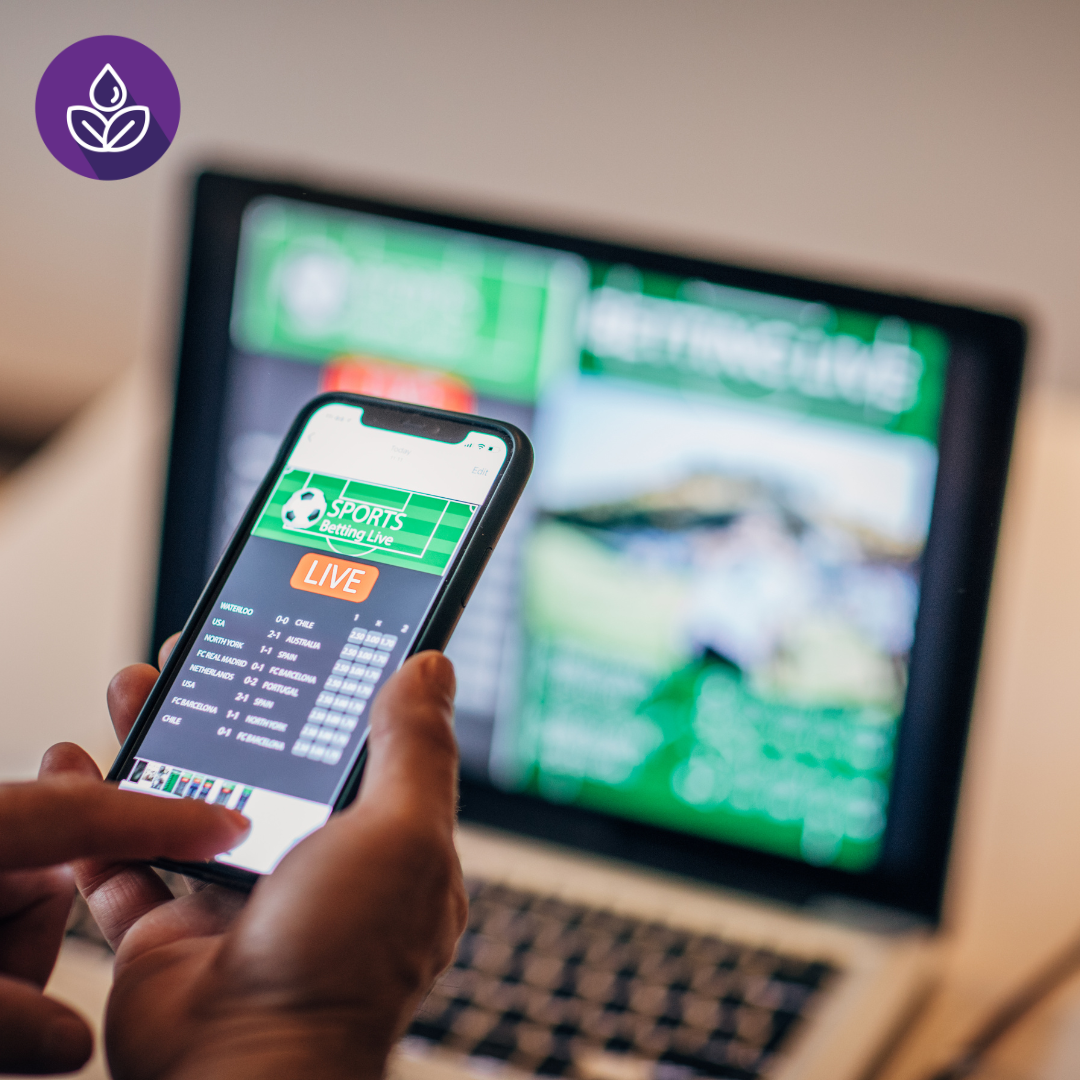


When Gambling Becomes More Than Fun: What Students Should Be On The Lookout For
Gambling is usually seen as a way to socialize, relax, and have fun. It can be all fun and games at first; whether it’s sports betting, online casinos, or casual games, it might all be harmless in the beginning. But for some students, gambling can quickly become time-consuming, stressful, and difficult to control. Understanding the risks, red flags, and knowing when to step back can help you make healthier choices.
Why Gambling Can Be Risky For Students
Gambling was designed to keep people playing. You’ll see a lot of apps use rewards and near-wins, and face-paced games to encourage you to keep playing. For students who are already dealing with financial stress, boredom, and different pressures, and these all can make gambling even harder to manage. It also feels a lot more normalized now, with all the gambling ads on both social media and streaming platforms and the rise of online betting.
Signs Gambling Might Be Becoming a Problem
It may not always been obvious when gambling changes from something fun to something more serious.
Here are some signs to look out for:
Spending more money than you had planned
Trying to win back your money
Feeling anxious or frustrated when you lose
Thinking about gambling a lot or feeling distracted while studying
Borrowing money or using funds meant for your essentials
Hiding your gambling from people around you
If any of these sound familiar to you, it may be time to pause and reflect.
The Impact on Your Well-Being
Gambling can affect more than just your finances. It can also impact your mental health, academic performance, and relationships.
You may notice:
An increased level of stress and anxiety
You’re having trouble focusing on schoolwork
Having sleep problems or disruptions
Having feelings of guilt or regret
Over some time, these effects can build up and make it harder to stay on top of your responsibilities.
If you choose to gamble, setting clear limits and boundaries can help you stay in control.
Set a spending limit before you go into it and stick to it
Avoid using gambling as a means to cope with stress or boredom
Take regular breaks and avoid long sessions
Don’t chase your loses, accept that losing is just a part of gambling
Keep gambling separate from your essential expenses like rent, food, and tuition
Being intentional about your habits can make a big difference!
Alternatives for Stress and Entertainment
If you’re using gambling as a way to relax and unwind, it might help to explore other options that don’t have the same financial risks.
Spend time with friends in lower cost ways
Move around, even with short walks or workouts
Try a new hobby or creative activity
Watch a new show or listen to music to relax
Use different campus spaces or events to stay connected
Finding a healthier ways to manage stress can reduce the feeling to rely on gambling.
When to Reach Out for Support
If gambling is starting to feel overwhelming or getting harder to control, you are not alone! Support is available, and reaching out is a strong and important step.
Some supports could be:
Talking to a trusted friend or family member
Connecting with Student Health and Wellness services
Speaking to a counselor or a professional
Getting help a little earlier can help prevent things from becoming more serious.
Gambling can seem like a simple way to pass time, but it can also have some real impacts if it gets out of control. Being aware of your habits, setting limits, and checking in with yourself are important steps in protecting your well-being. Gamblings rise in popularity and the amount I see on screens, it has become bigger than I’ve ever imagined. It is basically pushed onto everything I see online and I understand how tempting it can be. But, if something doesn’t feel right, trust that feeling. Taking a step back is always okay. You’re not alone!
If you or someone you may know is struggling with gambling, there is support available. Reaching out can feel like a lot, but there are free and confidential services that could help. Student Health and Wellness is also here to support you in any way we can.
ConnexOntario provides information about gambling, mental health, and addiction services across Ontario. You can call, chat, or email to find support that fits your needs. Website: https://connexontario.ca/our-services/gambling-treatment/
GambleAware offers information, tools, and support for understanding and managing gambling habits. Website: https://www.begambleaware.org/
Gamblers Anonymous is a peer support group where people can share their experiences and support each other in managing gambling-related challenges. You can also join meetings virtually and on the phone instead of in person. Website: https://www.gamblersanonymous.org/
-Kayla McAdam, Peer Wellness Educator Lead