

Winter Weight Gain Worries
As temperatures drop and daylight hours shrink, many people begin to worry about winter weight gain. Heavier meals, holiday treats, and fewer opportunities to be active can make it feel almost inevitable. Social media and diet culture often amplify these fears, turning a natural seasonal shift into a source of stress. However, understanding why winter weight changes happen, and how to approach them with balance, can ease much of that anxiety.
During winter, our routines naturally change. Colder weather often means less time outdoors and more time spent indoors, where movement can decrease. Shorter days and limited sunlight can also affect energy levels and mood, sometimes leading to increased cravings for comfort foods. These responses are not signs of weakness; they are normal human reactions to seasonal changes. Our bodies are designed to adapt, and sometimes that includes seeking warmth, rest, and nourishment.
Holiday traditions play a major role as well. Winter is filled with celebrations centered around food—family dinners, baked goods, and festive treats. Enjoying these moments is part of cultural and emotional well-being. The problem arises when enjoyment turns into guilt. Labeling foods as “bad” or feeling shame for indulging can create an unhealthy relationship with eating. Food is not a moral issue, and enjoying seasonal favorites does not erase your health goals.
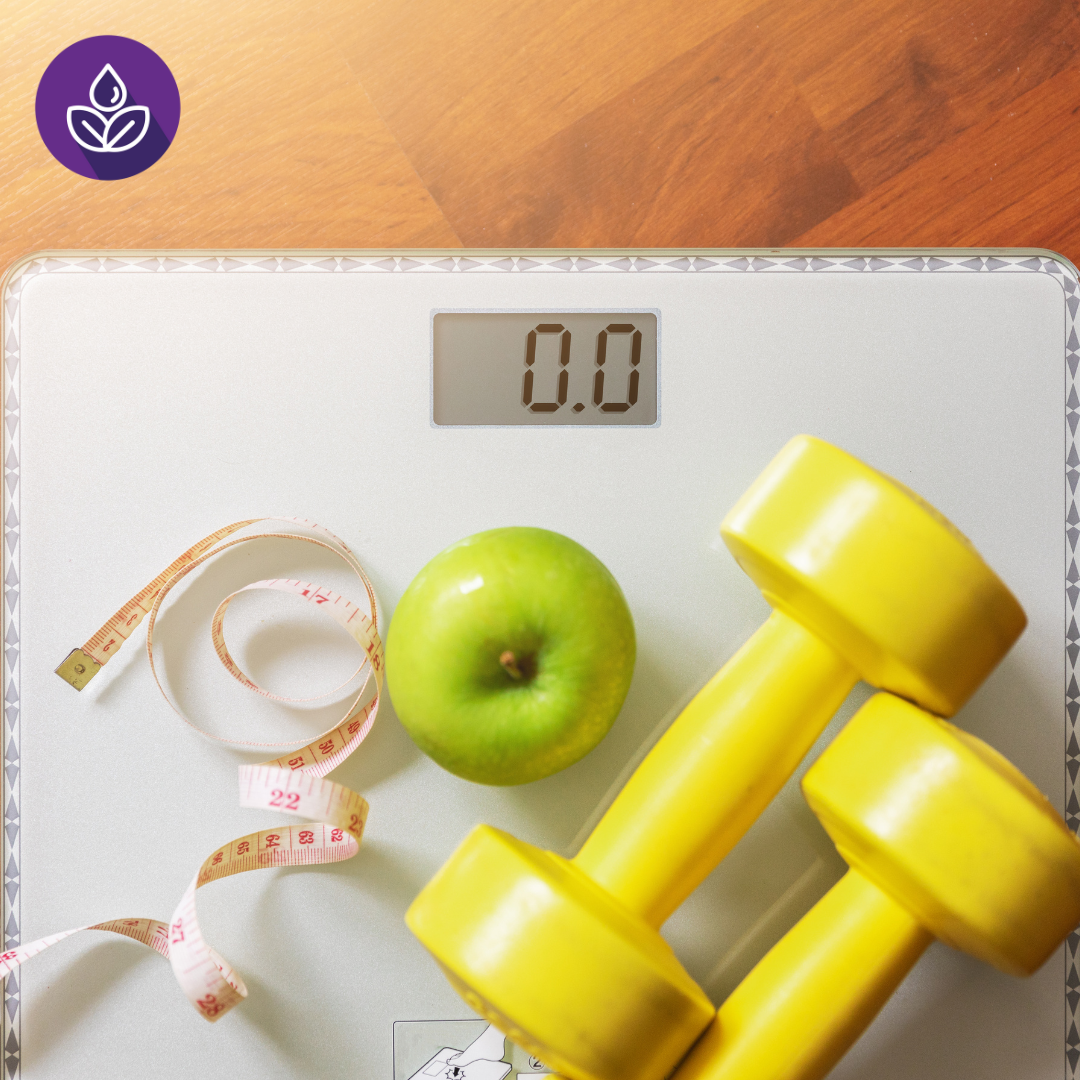
One helpful way to reduce winter weight gain worries is to shift the focus away from the scale. Weight naturally fluctuates due to hydration, hormones, and changes in routine. Instead of fixating on numbers, consider how you feel. Are you getting enough sleep? Do you have energy throughout the day? Are you managing stress? These indicators of health are often more meaningful than a single measurement.
Staying active in winter doesn’t have to mean intense workouts or expensive gym memberships. Gentle movement counts. Stretching, home workouts, walking indoors, or even doing chores can help maintain both physical and mental well-being. Movement can also improve mood during darker months, making it easier to manage stress-related eating. The goal is consistency, not perfection.
Nutrition in winter is about nourishment, not restriction. Warm, comforting foods like soups, stews, and roasted vegetables can be both satisfying and nutritious. Including balanced meals with protein, fiber, and healthy fats helps stabilize energy levels and reduce intense cravings. Allowing yourself flexibility rather than strict rules makes healthy habits easier to maintain long-term.
Most importantly, practicing self-compassion is key. Winter is a season of rest and survival, not constant productivity or physical transformation. Bodies may change, and that’s okay. Worrying excessively about winter weight gain can take away from the joy and comfort this season can offer. By focusing on balance, kindness, and overall well-being, you can move through winter feeling supported rather than stressed: physically and mentally.
- Sarah Andrew, Peer Wellness Educator Lead