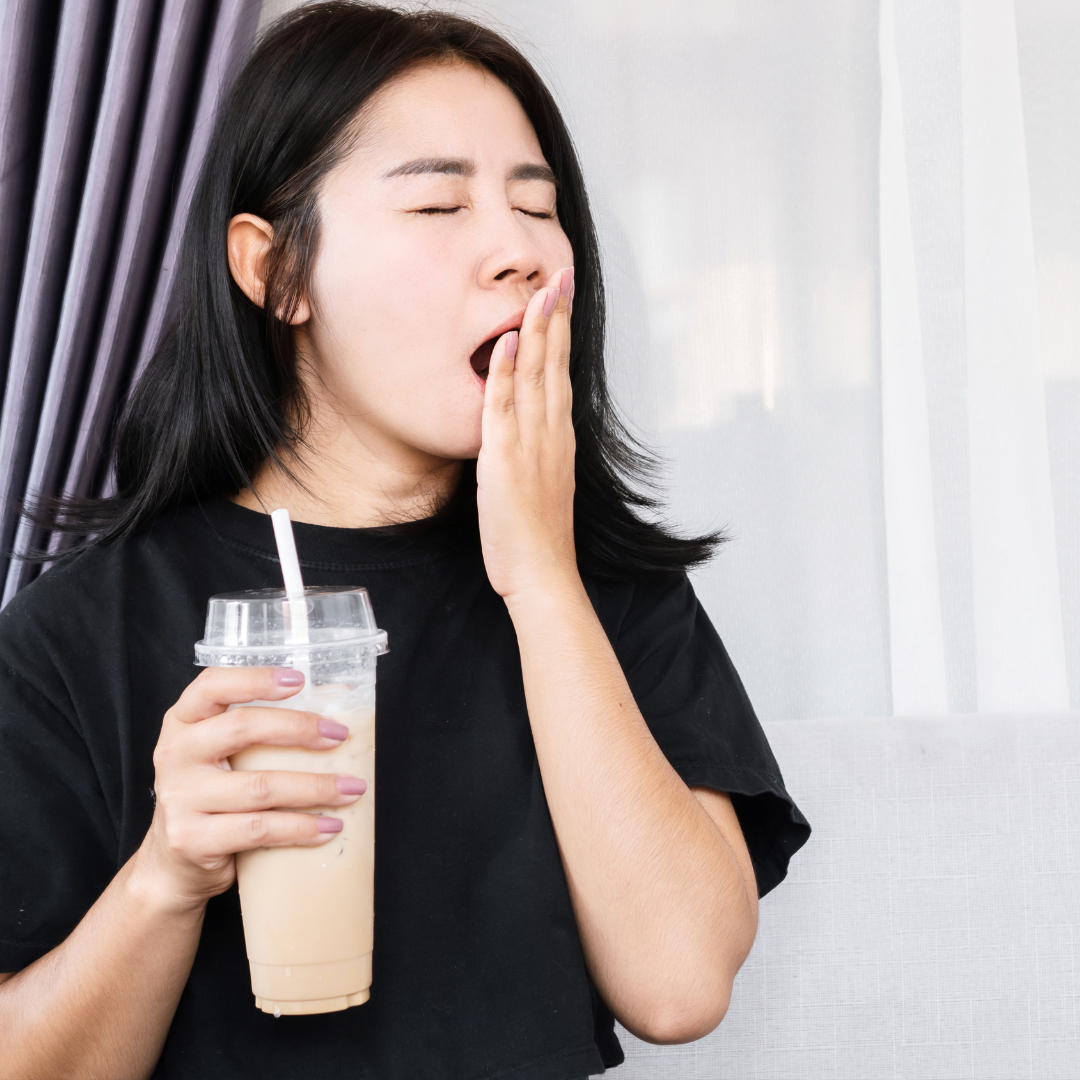


How Caffeine Affects Your Sleep
As the semester gets busier and exams get closer, many students lean on caffeine to stay alert during late-night study sessions or long days on campus. Coffee, tea, energy drinks — they’re everywhere, and they can feel essential when you're trying to keep up. But caffeine can have a bigger impact on your sleep and stress levels than you might expect.
Since sleep plays a major role in memory, concentration, and emotional well-being, understanding how caffeine affects your body can help you feel more balanced during the academic year.
How Caffeine Interferes With Sleep
Caffeine works by blocking adenosine, a chemical in your brain that naturally builds up throughout the day and helps you wind down at night. When this process is blocked, you stay alert, but your sleep cycle can be disrupted.
Even if caffeine doesn’t feel like it’s keeping you awake, it may still affect your sleep quality by:
Making it harder to fall asleep
Reducing total sleep time
Decreasing deep, restorative sleep
Because caffeine has a long half-life, it can stay in your system for many hours. Even a mid-afternoon coffee could still affect you at bedtime.
Signs Caffeine Might Be Affecting You
Caffeine’s impact can show up in different ways, including:
Feeling tired even after “enough” hours of sleep
Relying on caffeine earlier in the day to feel awake
Trouble falling asleep or staying asleep
Feeling jittery, anxious, or restless when it’s time to rest
Difficulty concentrating, or experiencing energy crashes during the day
Often, these issues can become self-reinforcing: poor sleep leads to more caffeine, which leads to poorer sleep.
What You Can Do (Without Giving Up Caffeine Entirely)
You don’t have to stop drinking caffeine. Instead, try being more mindful about how and when you consume it. For example:
Avoid caffeine within 8 hours of your bedtime.
Sip lower-caffeine or caffeine-free drinks later in the day (like herbal tea or water).
Eat balanced meals so your energy stays stable without relying solely on caffeine.
Get some natural light or spend a few minutes outside — daylight helps regulate your body’s internal clock.
If you’re feeling drowsy mid-day, try a short walk or gentle movement instead of another caffeinated drink.
These simple changes can help you stay alert when you need it and get better sleep when you rest.
Helpful Resources You Can Use
Test & Exam Anxiety: A Guide for Teachers to Support Students (CICMH)
This guide provides strategies for recognizing and managing test or exam anxiety — a common issue for many students, especially during periods of heavy studying or poor sleep. It can help you:
Understand triggers of anxiety related to academic pressure and sleep issues
Learn coping strategies, including time management, studying techniques, and stress-reduction tips
Better support yourself or peers by recognizing signs of anxiety early
Combining this resource with good sleep habits and mindful caffeine use can help reduce anxiety and improve performance during exams.
Sleep Doctor — Home Sleep Test & Sleep Advice
This site offers tools and advice to help you assess and improve your sleep, including a home sleep test that can identify possible sleep problems. It’s useful if:
You suspect caffeine is affecting your sleep quality
You have trouble falling or staying asleep regularly
You want to understand your sleep patterns better and find ways to improve rest
Using Sleep Doctor’s resources alongside mindful caffeine use and anxiety-management strategies can support overall wellness and better mental health.
If You’re Struggling With Energy, Sleep, or Stress — You’re Not Alone
Many students juggle caffeine use, sleep deprivation, and academic pressure at the same time. It can be hard to know where to start — but you do not have to do it alone.
Try the WellU Key
At Student Health and Wellness, you can use the WellU Key for a quick self-assessment that helps match you with appropriate support services based on your needs.
Access it here:
? https://lakehead.portal.gs/en/
Final Thoughts
Caffeine can be a helpful tool when used carefully. By being mindful about when and how much you consume, paying attention to how your body responds, and using supportive resources, you can maintain good energy while protecting your sleep and mental health. If you ever feel overwhelmed, anxious, or exhausted — remember: you’re not alone, and help is available.
-Reem Alfarwan, Peer Wellness Educator Lead