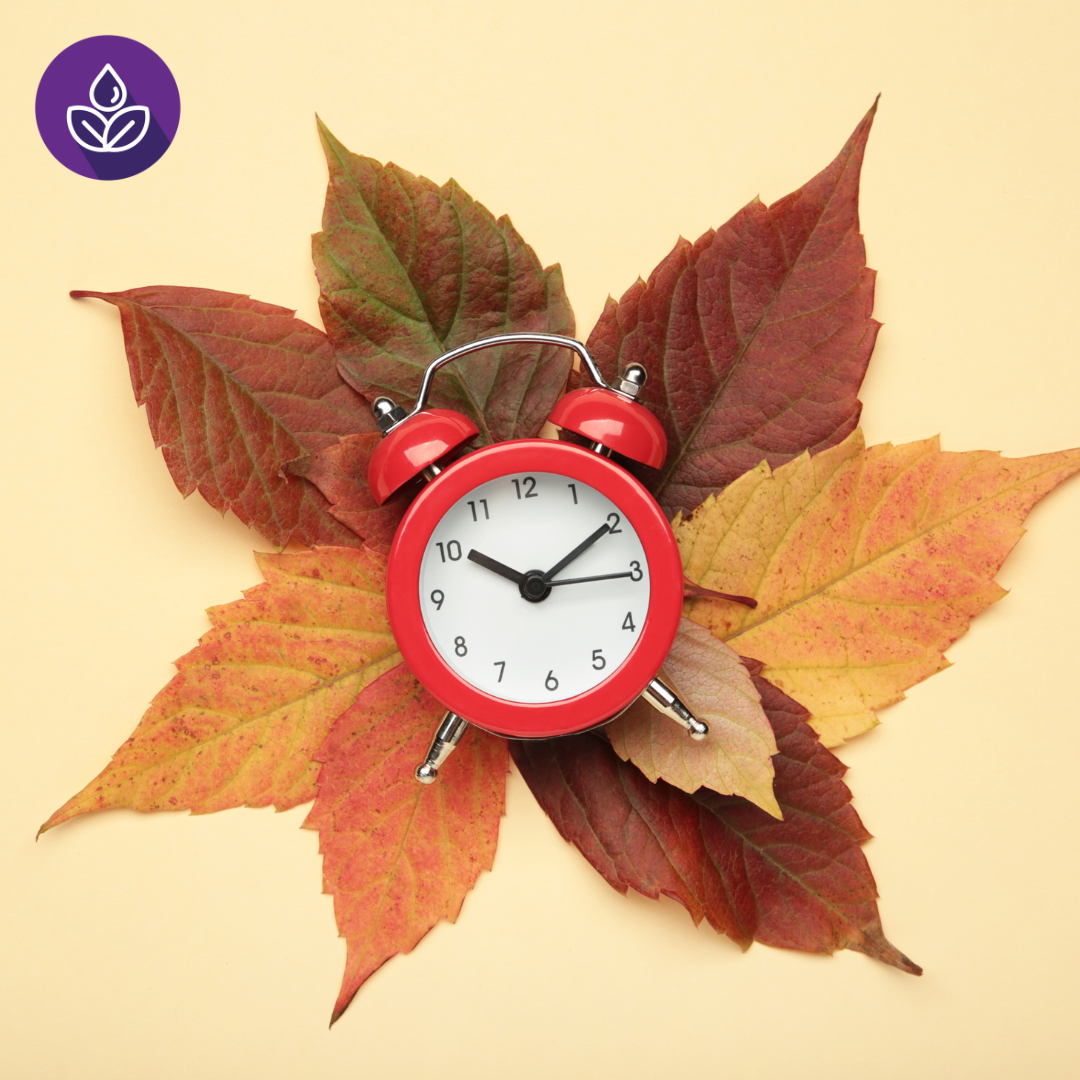
Dealing With Daylight Savings Time
Daylight saving time ends Sunday, November 2, with clocks rolling back one hour at 2 a.m. Student Health and Wellness has some advice to help you ease into standard time and keep your sleep on track.
1. Don’t forget your manual clocks
Most smartphones and computers will automatically adjust for the time change, but some household clocks still need a manual reset. Before heading to bed on Saturday, update the clocks on your microwave, oven, and car so you can wake up Sunday morning knowing everything’s already in sync.
2. Adopt a wind-down routine
Create a relaxing bedtime routine to help your body transition to sleep. Try taking a shower or bath, sipping caffeine-free tea, reading, or listening to a guided meditation. These small habits can help calm your mind and signal that it’s time to rest.
3. Stick to a consistent sleep schedule
It might be tempting to stay up late or sleep in with the extra hour, but even small changes in your sleep routine can affect your mood, focus, and energy. Aim to keep a consistent bedtime and wake-up time, getting between seven and nine hours of sleep each night to help your body adjust smoothly.
4. Limit screen time before bed
Screens give off blue light that can interfere with your body’s production of melatonin, the hormone that helps you sleep. Try putting devices away an hour before bed, or use built-in blue light filters to reduce exposure.
5. Avoid caffeine, alcohol, and heavy snacks before bed
Caffeine can keep your body alert long after your last sip, while alcohol and late-night snacks can interfere with deep sleep. If you’re hungry, go for something light like fruit, yogurt, or a small handful of nuts.
6. Take a short nap if needed
Feeling the effects of the time change? A short nap (20–30 minutes) can help you recharge, just avoid napping too long or too late in the day, which can make it harder to fall asleep at night.
For more tips on sleep hygiene, visit our Sleep page or try Reset Sleep, our self-paced program designed to help you build healthier sleep habits.
—Lindsey Wachter, R. Kin, Health Promoter