

Creating A Consent Culture
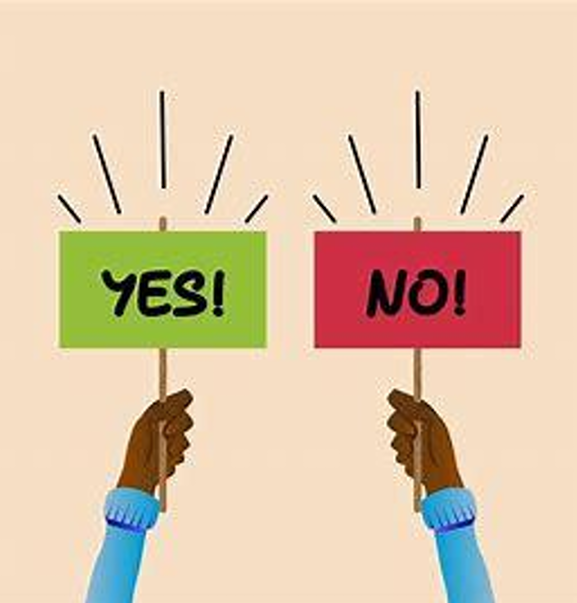
Sex and sexual health is a major part of life. Whether you’re starting a new relationship, navigating dating culture, or just curious, enthusiastic consent is essential. Consent is not a one time thing and it’s not a signed contract. Consent is ongoing, mutual, and enthusiastic.
Simply ask.
Consent is not a forever thing. It changes based on mood, comfort level, or any other factor. Get in the habit of asking your partner(s) how they are feeling. A simple “Is this okay?” or “Do you want to keep going?” is a great way to facilitate enthusiastic consent.
Pressure is not Consent.
Feeling pressured or pressuring somebody is not consent. Creating a safe space for people to decline is crucial in maintaining consent. Did somebody tell you “no”? That’s okay! Don’t continue to ask or subtly pressure them.
Sometimes it’s more than just “No” .
If somebody is not clearly communicating that they are okay and happy with what is happening, stop and ask. Body language, facial expressions, tone, and silence are all important. Consent is about active participation.
An Impaired Person is Not a Consenting Person.
If someone is drunk, high, asleep, unconscious, or impaired in any way - they cannot legally or ethically provide consent. Are you curious if somebody is in a position to give consent? Well the answer is simple, if you are unsure then that means they cannot provide consent.
Creating a Culture of Consent.
Promoting a culture of consent is vital. Talk to the person who seems uncomfortable at a party, talk to your friends about boundaries, support assault survivors. Any way that you can model and promote consent is important.
What’s the Bottom Line?
Consent isn’t awkward, it is required and respectful. Lead with empathy and respectful understanding. Enforce your own boundaries and respect the boundaries of others. Small actions can create a big impact.
- Jordan Calleja, Peer Wellness Educator Lead