
How to Manage Workload in Eight Key Steps
Knowing how to manage workload effectively is crucial for maintaining productivity and avoiding burnout in the workplace. However, there are times when tasks pile up, you’re given extra responsibilities outside of your job description, deadlines loom large, and it feels like there's no end in sight. From prioritising tasks to goal setting and delegation, these techniques can help you keep your head above water.
Source: Michael Page
| 1. Assess your workload and prioritise tasks: |
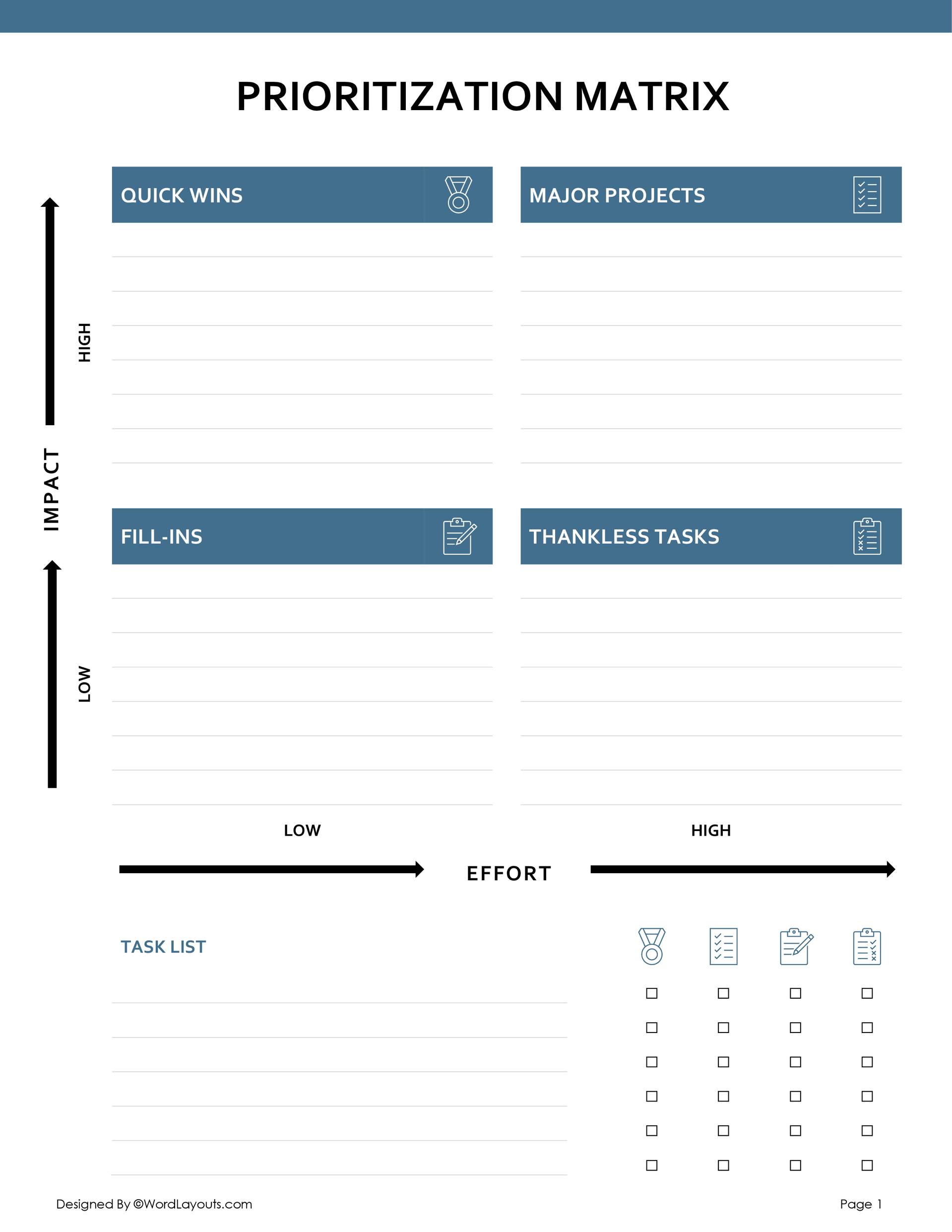
Prioritisation is the cornerstone of effective workload management. Identify tasks based on their urgency and importance. Use techniques like the Eisenhower Matrix, which categorizes tasks into four quadrants. Focus on completing tasks in the first quadrant first, then move on to others. |
| 2. Set clear goals: |
Define specific, achievable goals for each task or project. Break larger goals into smaller, manageable tasks with deadlines. This not only provides clarity but also helps you stay motivated and focused on what needs to be done. |
| 3. Establish a routine: |
Establishing a daily or weekly routine can help you manage your workload more effectively. Allocate specific time slots for different tasks, including work, breaks, and personal activities. Stick to your schedule as much as possible to maintain consistency and productivity.
|
| 4. Delegate tasks: |
Don't hesitate to delegate tasks that can be handled by others. Identify tasks that can be outsourced or assigned to other team members. Delegating not only reduces your workload but also allows others to develop their skills and contribute to the team's success. |
| 5. Utilise time management techniques: |
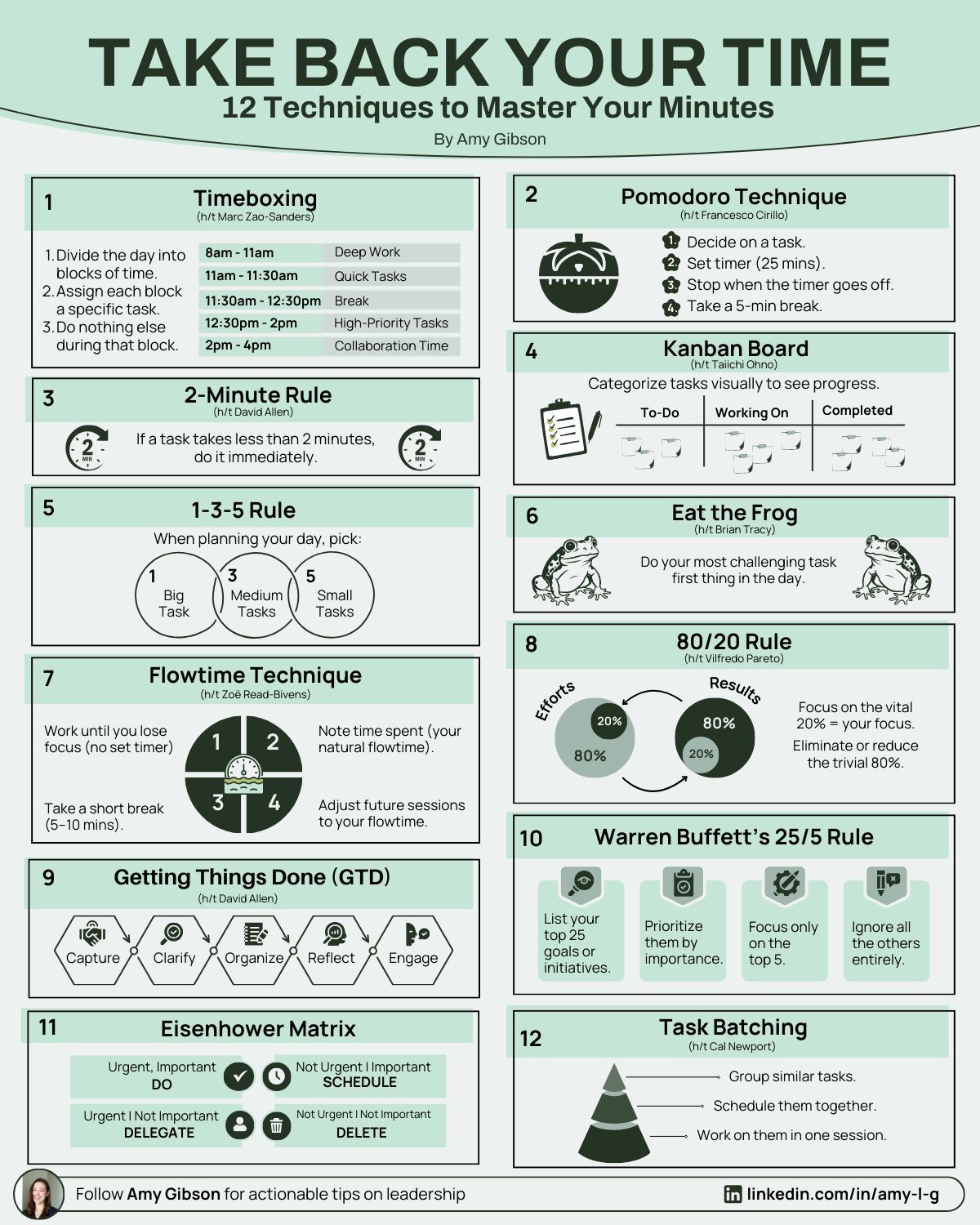
Explore various time management techniques to help you structure your time effectively, minimise distractions, and improve your focus and productivity:
|
| 6. Practice work-life balance: |
Prioritising time between work and personal life is crucial, and achieving balance now sets you up to manage future opportunities without sacrificing your well-being. Remember to take regular breaks, exercise, get enough sleep, and practice mindfulness or relaxation techniques. |
| 7. Review and adjust |
Regularly review your workload management strategies to identify what's working well and what needs improvement. Be willing to adjust your approach based on changing priorities, deadlines, or personal circumstances. Continuously learning and adapting is key to long-term success. |
| 8. Ask for help |
Asking for help can be a lifeline rather than a sign of weakness. Follow these tips to stay on track
|