
Bridging Research and Practice to Support Every Child’s Right to Read
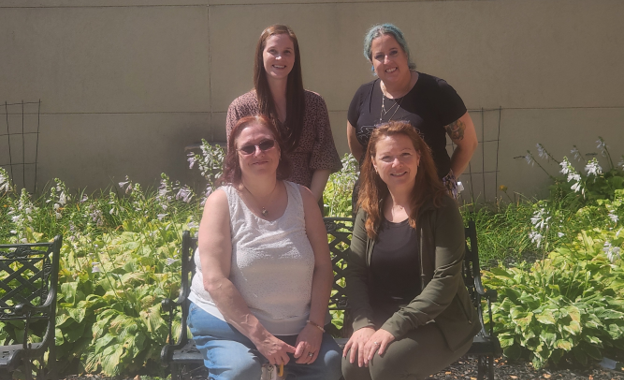
Congratulations to Dr. Meridith Lovell-Johnston (Principal Investigator; Professor and Chair of Graduate Studies and Research), Dr. Tanya Kaefer (Professor), Dr. Sonia Mastrangelo (Professor), and Dr. Hanna Wickstrom (Postdoctoral Fellow and Contract Lecturer) on receiving a five-year, $324,891 SSHRC Insight Grant for their research project, Educators' Understanding and Implementation of the Foundational Early Literacy Skills.
The research responds to significant changes in how reading is taught across Ontario following the Ontario Human Rights Commission’s 2022 Right to Read report. The report identified concerns about approaches to reading instruction, particularly for students with reading disabilities such as dyslexia, and emphasized that the ability to read is fundamental to full participation in society and success across the curriculum.
“Reading is a fundamental human right,” says Meridith, “yet we know that current instruction is not necessarily meeting the needs of all students, especially those with reading disabilities such as dyslexia.”
A Shift in Literacy Instruction
Ontario has long debated the best ways to teach children to read. For decades, balanced approaches to literacy have emphasized meaning-making and multiple language cueing systems. In contrast, the more recent Science of Reading approach has brought increased attention to explicit instruction in foundational skills such as phonological awareness, phonics, and alphabet knowledge.
The research team aims to move beyond this debate by examining how educators understand and implement these approaches in practice. The study will ask: What are Ontario kindergarten and Grade 1 educators’ understanding of the foundational literacy skills and cognitive skills related to literacy development in the early years?
“We need to bridge the gap between new policy and everyday teaching,” says Meridith. “While foundational decoding skills are essential, the literature tells us that successful reading also depends on language development, comprehension and meaning-making. We want to look at what teachers really understand about the skills that have been identified as foundational for developing reading fluency.”
Following Knowledge into Practice
Over the next four years, the researchers will gather data through province-wide surveys, interviews, and classroom observations in Ontario school settings. This longitudinal approach will examine not only what educators understand about early literacy, but how that knowledge translates into classroom practice as teachers experience changing curriculum expectations.
The study will also examine the alignment among educational policy, research evidence and instructional practice, while considering regional and demographic differences across Ontario. Professional learning and teaching experience will be considered as factors that may influence educators’ approaches over time.
The timing is particularly important. The COVID-19 pandemic disrupted learning for many students, with reading rates declining and some children missing essential Kindergarten and Grade 1 instruction related to early literacy.
Supporting Evidence-Informed Literacy Education
The project’s findings will contribute to teacher education, professional learning, curriculum development and literacy intervention strategies. The researchers hope the study will identify where educators need additional support and provide practical, evidence-based guidance for strengthening early literacy instruction.
The findings will also help inform future educational policy and curriculum development by providing evidence about how teachers understand and implement new approaches to reading. Through knowledge mobilization, the team will share findings with educators, policymakers, parents, and the broader public in accessible ways.
Ultimately, the project is grounded in the goal of ensuring that every child has the opportunity to become a successful reader.
Pictured below (clockwise from bottom left): Dr. Meridith Lovell-Johnston, Dr. Hanna Wickstrom, Dr. Tanya Kaefer, and Dr. Sonia Mastrangelo.