
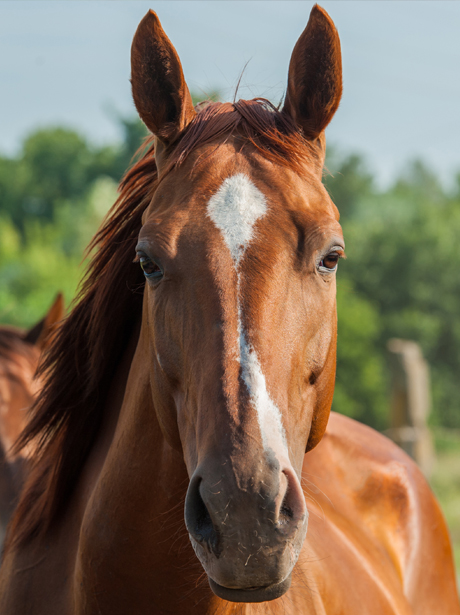
A horse is a horse of course

Training Veterinarians
for the North, in the North.

The Collaborative Doctor of Veterinary Medicine Program is a partnership between Lakehead University and the University of Guelph’s Ontario Veterinary College.

Northern Ontario communities urgently need more veterinarians. The Collaborative Doctor of Veterinary Medicine Program (CDVMP) is a bold new solution. A partnership between Lakehead University and the University of Guelph’s Ontario Veterinary College, the program will train 20 northern students each year to become licensed veterinarians.

Designed to serve rural, remote, and Indigenous communities, the program creates meaningful pathways for northern students to give back to their communities by improving animal health, supporting the agri-food sector, and strengthening animal welfare across the region—all while earning a fully accredited Doctor of Veterinary Medicine (DVM) degree that incorporates hands-on, community-based learning.
 

About the Collaborative Doctor
of Veterinary Medicine Program

The Collaborative Doctor of Veterinary Medicine Program (CDVMP) is Ontario’s first veterinary education expansion in a generation. Developed jointly by Lakehead University and the University of Guelph’s Ontario Veterinary College, the program is designed to train and retain veterinarians in northern Ontario. Each year, it will graduate 20 students who have deep ties to the north and a strong understanding of the region’s unique veterinary challenges.

Goals and Purpose:


  • Address the critical shortage of veterinarians in northern, rural, remote, and Indigenous communities.
  • Strengthen public health, animal welfare, and food security in northern Ontario.
  • Incorporate Indigenous perspectives and approaches to animal care that honour Indigenous culture and connection to land.
  • Build long-term capacity for veterinary care in underserved northern communities.

Why Northern Veterinary Training Matters:


Many Northern Ontario communities lack access to routine and emergency animal care, affecting pet health, agriculture, and local economies. The Collaborative Doctor of Veterinary Medicine Program trains students from the north in the north, increasing the chances they’ll remain in the region, and strengthening local industries and community well-being.

Key Impact Areas:


  • Agri-Food Sector: Support for over 3,800 agricultural jobs, many of which are hindered by a lack of veterinary access.
  • Pet Care Access: Pet owners face limited or delayed care options.
  • Public Health: Veterinary care improves zoonotic disease control and community safety.
  • Indigenous Communities: Tailored training supports culturally appropriate care and Indigenous leadership in veterinary practice.

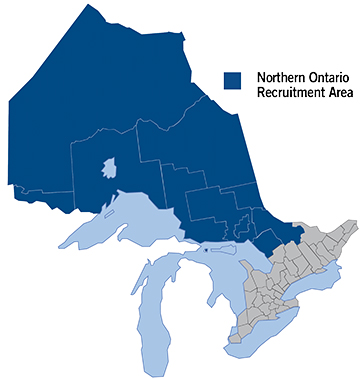
A map of the Northern Ontario Recruitment Area

For Students

Students are trained through a collaborative model, dividing their time between Lakehead University and the University of Guelph, and graduate with a Doctor of Veterinary Medicine (DVM) degree from the University of Guelph.

Timeline:


  • Beginning in fall 2025, Northern Cohort students will complete the full four-year program at the University of Guelph. 
  • Starting in 2027, once Lakehead’s new educational facilities are complete, the Northern Cohort will begin the program in Thunder Bay and complete the program in Guelph.

Admission Requirements:


Visit the University of Guelph’s website for admissions information under “Northern Ontario Undergraduate Cohort.”

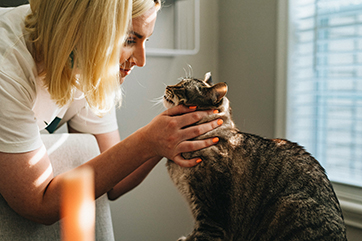
A vet and a cat

Application Process:


Apply through the Ontario Veterinary College at the University of Guelph through OUAC, and select the “Northern Ontario Cohort” on your application.

Funding Opportunities:


The Government of Ontario’s Veterinary Incentive Program will encourage 100 recently graduated veterinarians to practice large animal veterinary medicine and work in underserved areas in the province to address critical skill and labour shortages. Each new veterinarian graduate will be eligible to receive grants of up to $50,000 over five years for working in an underserved area and treating large animals.

Student FAQ:

Am I eligible?

You are eligible to apply if you are a Canadian citizen or permanent resident and a resident of northern Ontario. Residency means you’ve lived in one of the designated northern districts for 12 consecutive months before January 1 of the application year, not including time enrolled in post-secondary studies. Academic eligibility includes at least two years of full-time university study and completion of the required prerequisite courses.

How do I apply?

Apply through the Ontario Veterinary College at the University of Guelph through OUAC, and select the “Northern Ontario Cohort” on your application.

Where do I study?

Beginning in fall 2025, Northern Cohort students will complete all four years of the program at the University of Guelph. Starting in 2027, once Lakehead’s educational facilities are complete, the Northern Cohort will begin the program in Thunder Bay and complete the program in Guelph.

What will I graduate with

Northern Cohort graduates will receive a Doctor of Veterinary Medicine (DVM) degree from the University of Guelph’s Ontario Veterinary College—the same accredited degree awarded to all OVC students.


For Donors & Partners


Why Your Support Matters:


Northern Ontario communities deserve equal access to veterinary care—for pets and agricultural animals alike. Yet, a critical shortage of veterinary professionals puts community health, food security, and animal welfare at risk. The Collaborative Doctor of Veterinary Medicine Program is a lasting solution, designed to train and retain veterinarians dedicated to serving the north. Your support is vital to ensuring this high-quality regional care remains accessible for generations to come.

Project Funding Overview:


The Ontario government has committed $16.78 million—$6.5 million allocated to Lakehead University and the remainder to the University of Guelph. While this funding lays a strong foundation, additional funds are needed to build and equip Lakehead’s state-of-the-art veterinary facility on the Thunder Bay campus and fully launch the program.

Your Gift Supports:


  • Construction and outfitting of the animal education facility
  • Advanced anatomy and pathology labs
  • Student learning, wellness, and collaboration spaces
  • Specialized veterinary training tools and technologies
  • Indigenous student support programs and community engagement initiatives
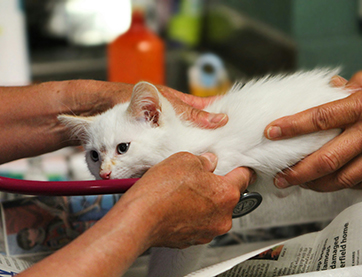
A vet checking a cat

Recognition Opportunities:


We offer personalized recognition packages for individuals, companies, and foundations. Our advancement team will partner with you to create a recognition plan that reflects your unique philanthropic vision and the transformative impact of your gift. Reach out to learn more about how we can celebrate your generosity.

  • One-time or multi-year commitments
  • Corporate sponsorships and in-kind donations
  • Planned gifts and estate contributions
  • Monthly giving programs

Contact Us:


To discuss how you can support this transformational program, contact:

Rebecca Truax
Associate Vice-President & Campaign Director
rebecca.truax@lakeheadu.ca
1-705-330-4010 ext. 2081

Make a Gift Talk to Our Advancement Team

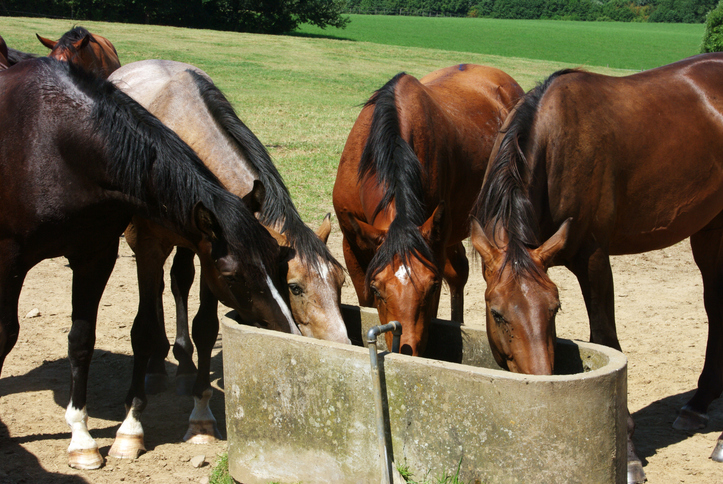
Horses getting water together


For the Agricultural & Veterinary Sector


Addressing Regional Veterinary Shortages:


Farmers and large-animal operations in northern Ontario face significant challenges accessing veterinary care. Although the agri-food sector employed more than 3,800 people and grew crop and livestock production jobs by 9% in 2021, the lack of veterinary services is constraining additional growth. For example, Thunder Bay has just one veterinary clinic serving nearly 100 large animal farms, leaving many without adequate care. By training and retaining veterinarians locally, the Collaborative Doctor of Veterinary Medicine Program will strengthen animal health services, boost agricultural productivity, enhance disease surveillance, and expand professional opportunities—especially in underserved and Indigenous communities.

Tailored Training for Rural Practice:


The Collaborative Doctor of Veterinary Medicine Program is specially designed to meet the unique demands of veterinary practice in northern and rural communities. Students enroll in the Rural Community Practice Stream of the Ontario Veterinary College’s DVM program, where their core curriculum emphasizes care for common agricultural and companion animals, with a strong focus on the realities of rural veterinary medicine.

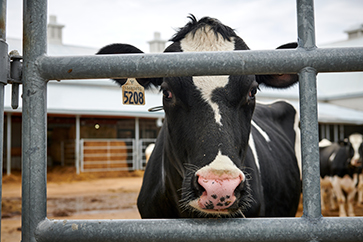
A cow behind a fence

Photo: Brandon Marsh Photography

Hands-On Learning Through Experiential Learning:


Practicums and experiential placements are central to the program. Northern Cohort students will complete their field training at northern veterinary clinics, gaining firsthand experience with the unique needs of the communities and industries they will serve. Learn about external clinical training placements

How to Get Involved:


Veterinarians, farmers, and agri-businesses across the North are encouraged to:

  • Provide input on evolving sector-specific needs
  • Participate in community consultations
  • Support fundraising and advocacy efforts

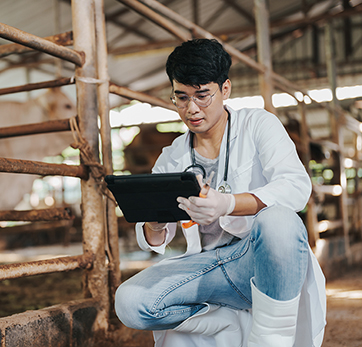
Student vets on an ipad at a farm after reviewing animals

Why It Matters:


Stronger veterinary infrastructure drives agricultural productivity, enhances disease surveillance, and fuels growth in the agri-food economy. The Collaborative Doctor of Veterinary Medicine Program will create a dependable pipeline of skilled, locally trained veterinarians to meet the region’s critical needs.


News & Events

Stay Informed and Engaged:

Follow the journey of the Collaborative Doctor of Veterinary Medicine Program as it progresses from vision to reality. This timeline outlines major events and achievements, from information sessions and construction milestones to student recruitment and graduation.


Frequently Asked Questions


Prospective Students

How can I find out more about admission requirements?

Extensive information can be found on the University of Guelph’s DVM program page.

Am I eligible if I live in northern Ontario but studied elsewhere?

Yes. To qualify as a resident of northern Ontario, you must meet the following eligibility criteria: Canadian citizens (including dual citizens), and those with permanent residency or protected person status, must be residents of northern Ontario (minimum 12 consecutive months, excluding time spent enrolled in post-secondary school) to apply to the Northern Ontario Undergraduate Cohort for the DVM program at OVC.

Please visit the University of Guelph’s website for complete admissions information

Are there designated seats in the program and specialized supports for Indigenous students?

There are no designated seats for Indigenous students in the Collaborative Doctor of Veterinary Medicine Program. However, both the University of Guelph and Lakehead University offer a wide range of supports for Indigenous students, including application guidance, cultural resources, and access to Indigenous student services and mentorship communities.

Lakehead Community

Will Lakehead faculty be teaching in the program?

Yes. Newly recruited veterinary faculty at Lakehead will co-deliver the program. Existing Lakehead faculty may collaborate on interdisciplinary research and support program development.

What research opportunities will exist with the Collaborative Doctor of Veterinary Medicine Program faculty?

The Collaborative Doctor of Veterinary Medicine Program will foster collaboration between veterinary faculty and other researchers across Lakehead’s departments. Areas of focus could include public health, Indigenous knowledge systems, food systems, and environmental sciences.

When will Lakehead University’s new veterinary educational facilities open?

Construction is expected to begin in summer 2025, with the new veterinary education facilities opening in fall 2027.

Are there opportunities for interdisciplinary collaboration?

Yes. The Collaborative Doctor of Veterinary Medicine Program encourages collaboration with Lakehead faculty in areas such as health sciences, biology, education, and Indigenous studies. These partnerships will enhance research, teaching, and student mentorship across campus.

Agricultural & Veterinary Industry

Can I host a Veterinary Practicum student?

Yes. We actively seek partnerships with veterinary clinics across northern Ontario to host students during their professional placements. Hosting a student veterinarian provides valuable mentorship and strengthens veterinary capacity in the region.

What kind of support do Veterinary Practicum hosts receive?

The Collaborative Doctor of Veterinary Medicine Program team provides guidance and communication to hosts, including placement coordination, student learning objectives, and ongoing support.

How can my feedback help shape the program?

Industry feedback helps us ensure the Collaborative Doctor of Veterinary Medicine Program curriculum meets real-world needs. You can contribute by participating in community consultations or joining an advisory group.

Will Collaborative Doctor of Veterinary Medicine Program students work with large animals?

Absolutely. Large animal care is a core part of the Collaborative Doctor of Veterinary Medicine Program training model. Students will have access to a dedicated animal education facility and will receive hands-on training with cattle, horses, and sheep throughout their program.

Indigenous Engagement

How are Indigenous communities being consulted?

Indigenous communities, leaders, and organizations have been engaged in various aspects of the development of the Collaborative Doctor of Veterinary Medicine Program from the outset.

What Indigenous knowledge is included in the curriculum?

The Ontario Veterinary College’s existing curriculum includes Indigenous content and perspectives. The Collaborative Doctor of Veterinary Medicine Program will further support student learning through hands-on, community-based initiatives that give students real-world clinical experience with a focus on meeting the unique needs of northern and Indigenous communities.

Are there placement opportunities in Indigenous communities?

Yes. Students will be able to complete their Veterinary Practicum and other experiential learning placements in veterinary practices serving Indigenous communities across northern Ontario, gaining firsthand experience with culturally-informed veterinary care and supporting local needs.

Donors & Funders

What will my donation support?

Your donation will help fund the construction and outfitting of new veterinary education facilities at Lakehead University. These include teaching labs, the animal education facility, Indigenous student support, and veterinary learning tools.

Are there naming opportunities?

Yes. Lakehead University offers naming opportunities for individuals, companies, and foundations for specific teaching spaces, labs, and student support areas as part of the campaign recognition strategy.

Can I make a multi-year pledge?

Absolutely. Lakehead welcomes multi-year commitments, and our advancement team can help tailor a pledge schedule that works for you or your organization.

How do I get in touch with someone about giving?

Contact Rebecca Truax, Associate Vice-President & Campaign Director at Lakehead University, by email at rebecca.truax@lakeheadu.ca or call 1-705-330-4010 ext. 2081.