
2024 - 2025 Annual Report

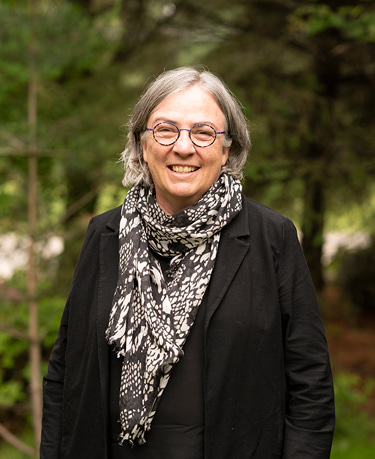
President and Vice-Chancellor, Dr. Gillian Siddall sitting in a chair on Lakehead campus

President's Message
Sixty Years of Exceptional Education

Rising to the Challenge

Lakehead University was founded on two beliefs: that everyone has the right to higher education and that education can change lives and societies for the better.

As we celebrate Lakehead’s 60th anniversary, we can clearly see how these beliefs have made the university a powerful force for transformation.

This transformation has taken many forms.

We’ve welcomed countless first-generation students for whom university had previously been out of reach. We’ve designed programs that offer every student experiential learning, research opportunities, and small class sizes that prepare them for fulfilling careers.

It’s an approach to learning that creates a strong sense of belonging and community, allowing students to thrive.

We’ve also watched our 74,998 alumni strengthen regional economies. In Ontario alone, the total annual impact of Lakehead University on the GDP is $4.73 billion, a number that will continue to grow.

And, along the way, Lakehead has become a research powerhouse–currently ranked the #2 undergraduate research university in Canada.

Lakehead’s reputation has been further enhanced by our commitment to advancing the United Nations Sustainable Development Goals (SDGs) and to creating a just and equitable world.

Our researchers’ work encompasses everything from fostering environmental sustainability and eradicating poverty to tackling technological challenges and becoming a partner in the work of Truth and Reconciliation.

For four years in a row, this engagement with real-world problems has earned Lakehead the title of North America’s #1 university with less than 10,000 students for social impact.

Thank You for Lifting Us Higher

Adapting to meet the evolving needs of our communities has always been Lakehead’s number-one priority.

This led to the establishment of the Orillia campus in 2006 and the new Lakehead University Barrie STEM Hub, which will be opening in 2026.

These brick-and-mortar expansions have been accompanied by the growth of faculties and programs.

We’re incredibly grateful to civic organizations, governments, and donors like Kim and Stu Lang.

They’ve played a crucial role in increasing access to university education in remote and underserved areas across northern Ontario and Simcoe County through their financial backing and their advocacy for increased learning and degree options.

In 2024-25, the Langs made the single largest gift in Lakehead’s history to the new Collaborative Doctor of Veterinary Medicine Program, which will help end the veterinarian crisis in northern Ontario.

Our ambitious goals have at times seemed impossible, but the communities that have stood behind us have refused to give up.

That’s why I want to express my deepest thanks to the cities of Thunder Bay, Orillia, and Barrie, and the County of Simcoe for their transformative investments.

Without their support, Lakehead University wouldn’t exist.

As our 60th anniversary draws to a close, we can all be proud of what we’ve built.

Lakehead is now ready for the next 60 years.

Dr. Gillian Siddall
President & Vice-Chancellor
Lakehead University

In honour of our 60th anniversary, Lakehead hosted the President’s Public Lecture Series.
Click here to watch these thought-provoking discussions.

Insights from our community
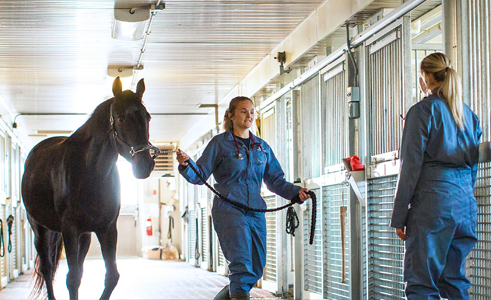
Two students walking a horse to its stable

Every Animal Deserves Care and Compassion

Kim and Stu Lang are Helping End a Crippling Veterinarian Shortage
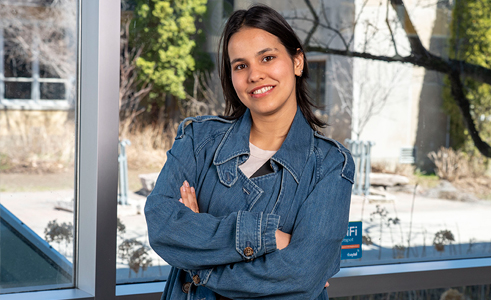
Dhanvi Gahlawat on Lakehead campus

Between the North Pole and the South Pole Lies the Awe-Inspiring Third Pole

Dhanvi Gahlawat is Committed to Protecting this Precious Ecosystem
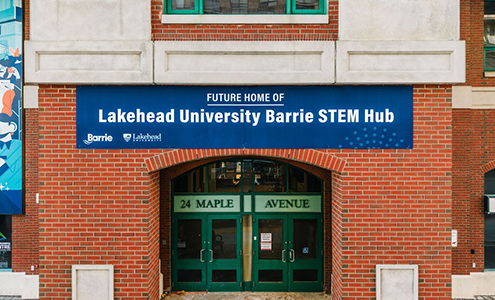
Future home of the Lakehead University Barrie STEM Hu

New Lakehead STEM Hub Will Create Incredible Opportunities

The City of Barrie is Building Better Futures for Young People
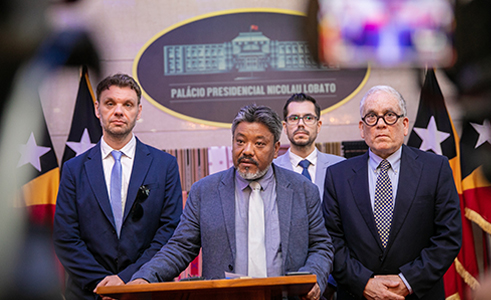
Za Uk Ling & José Manuel Ramos-Horta

Standing Up for Burma’s Besieged Chin People

Alum Za Uk Ling is a Fearless Crusader Against Hatred and Genocide
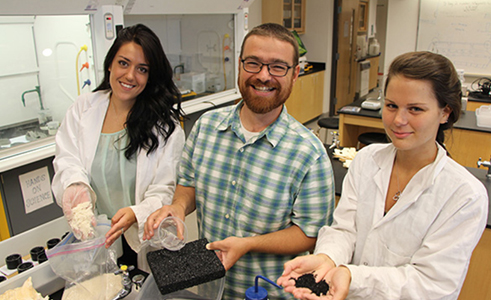
Kayla Snyder, Brooke Marion, and Chris Murray in Lab

Insect Husks, Old Tires, and Biodegradable Mulch

Dr. Kayla Snyder Finds Ingenious Solutions to Ecological Challenges
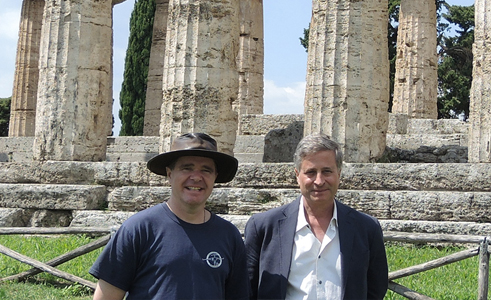
Dr. Carney Matheson & Dr. Tim Kaiser at Paestum Ruins

An Unforgettable Professor and a Transformational Campus

Dr. Tim Kaiser and Lakehead Orillia’s Achievements are Intertwined
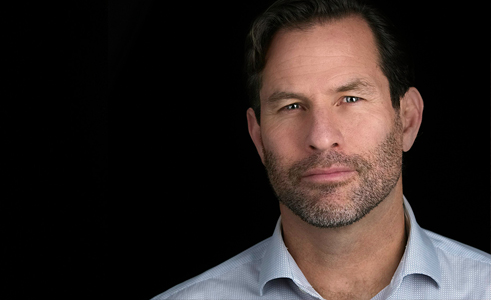
Gary Pluim Headshot

Dr. Gary Pluim Champions Citizen Participation

From Botswana to the Bahamas, Young People Are Stepping Up
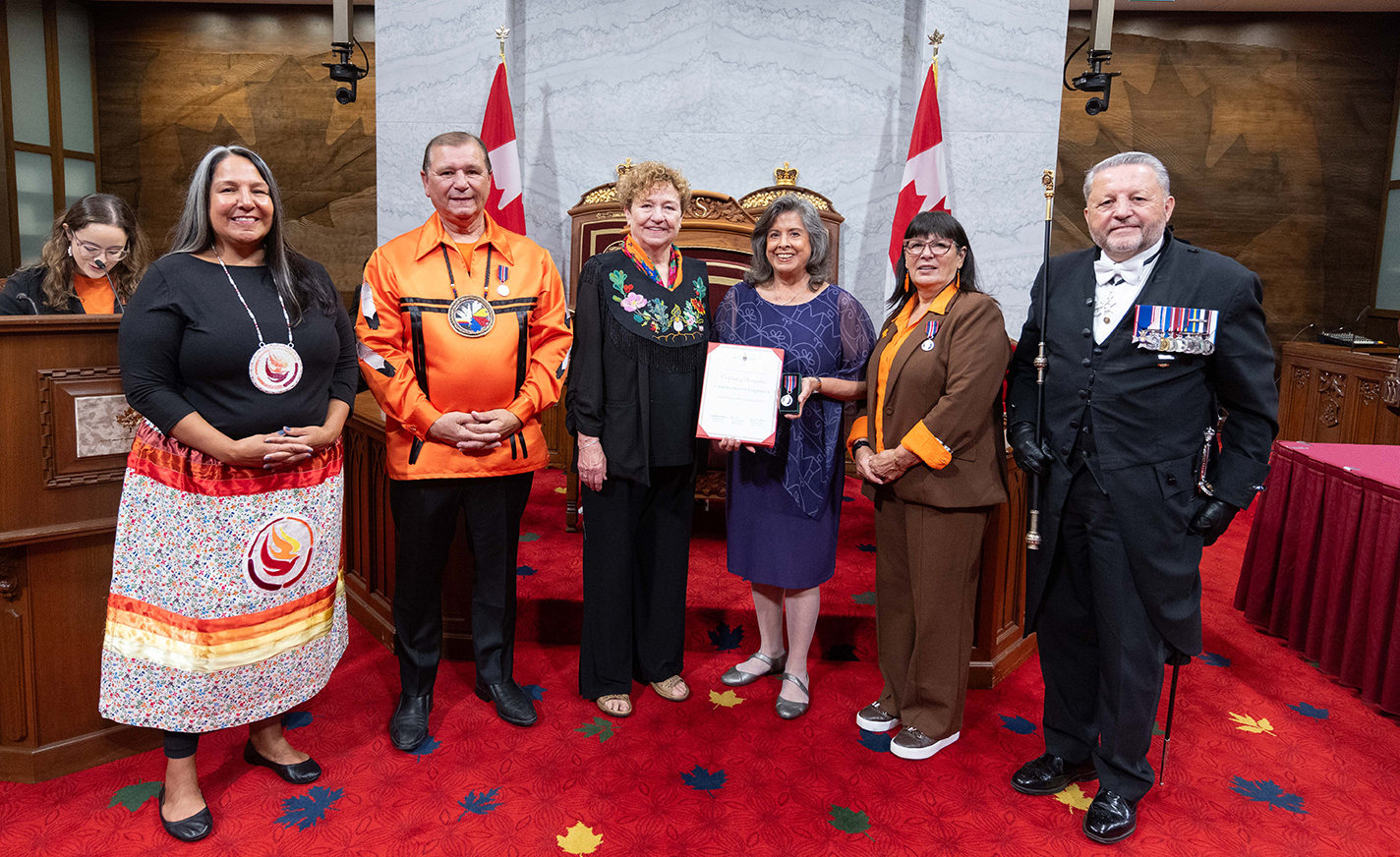
Dr. Cynthia Wesley-Esquimaux in Senate Chamber

Truth and Reconciliation has the Power to Heal Us All

Dr. Cynthia Wesley-Esquimaux Forges a More Just and Hopeful World
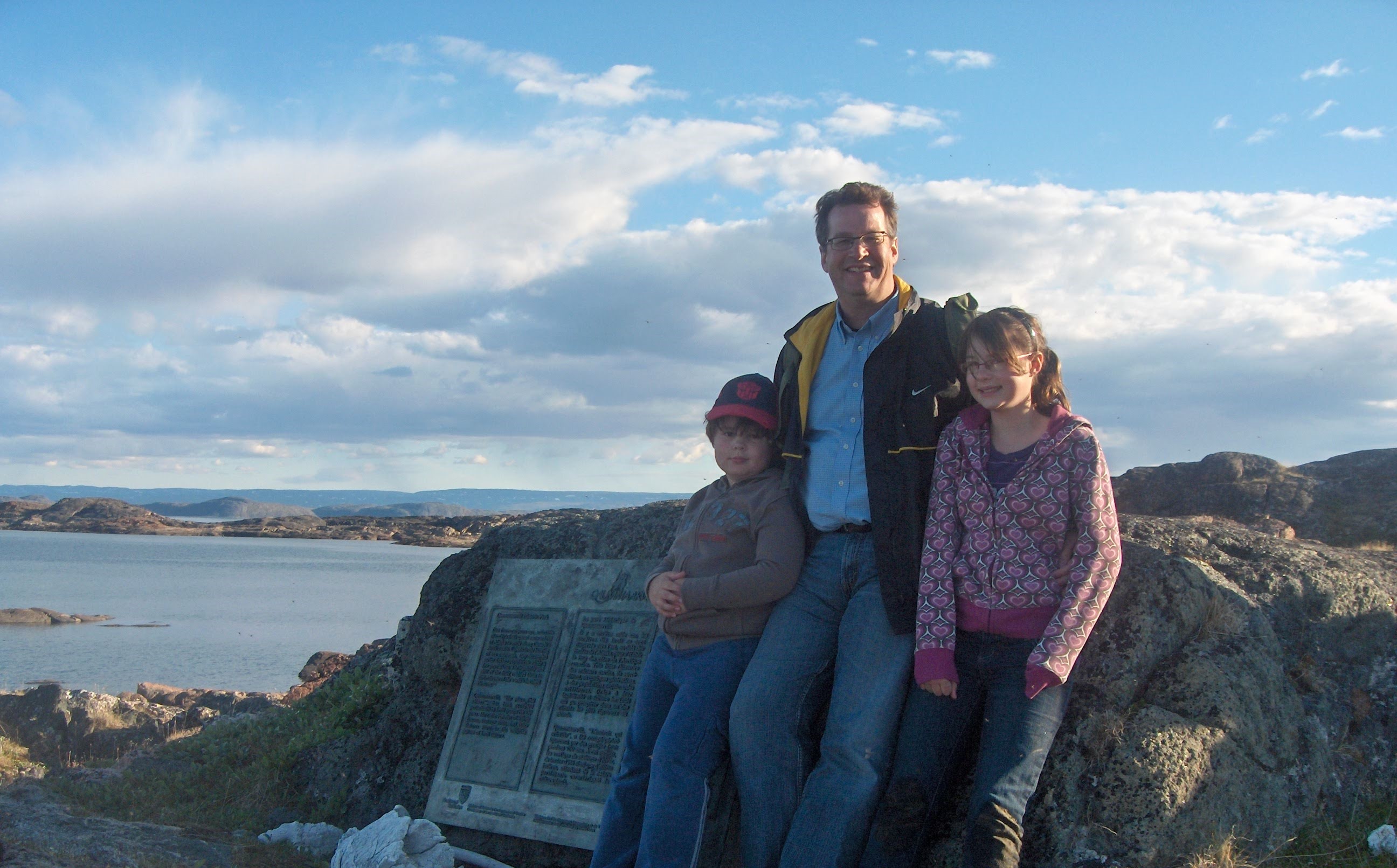
Dr. Southcott with his Children Near Iqaluit

Arctic and Northern People are Fighting for Sustainable Communities

Dr. Chris Southcott Helps Northerners Build Futures on their Terms
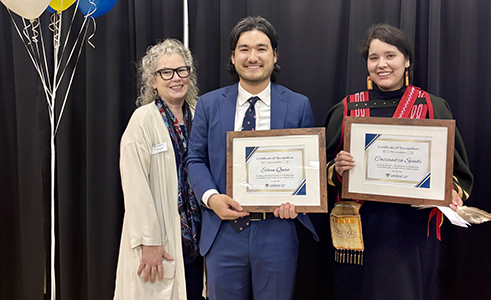
Cassandra and her fellow valedictorian holding their awards.

The Law of This Land

Cassandra Spade is Celebrating Anishinaabe Law and Language

Lakehead Milestones

1965
1965-01-01

On July 1, 1965, The Lakehead College of Arts and Technology in Thunder Bay becomes Lakehead University after receiving its official charter. Two divisions are established within Lakehead—the Faculty of Arts and Science and University Schools.

During its first year, Lakehead welcomes 1,066 students to campus, which has only two buildings—the Braun Building and the newly-constructed University Centre theatre-lecture hall. This is also the year that Lakehead receives its first National Research Council grant.

1966
1966-01-01

The three-storey Chancellor Paterson Library opens. The occasion is celebrated with an opening ceremony led by Lakehead Chancellor Senator N.M. Paterson. Three more storeys are added to the library in 1967.

1968
1968-01-01
Lakehead awards its first graduate degree (in English).
1969
1969-01-01

The Centennial Building opens and the Faculty of Education is established after the Ontario government transfers the Lakehead Teachers’ College to the university. Prof. James T. Angus becomes the first Dean of Education.

1972:
1972-01-01

The Ryan Building opens, named in memory of Dean of Arts Timothy J. Ryan, and a two-year Post-Diploma Degree Program in Engineering is introduced.

1974
1974-01-01

The innovative Native Teacher Education Program (now called the Keewatinase Indigenous Teacher Education Program) is launched to increase the number of qualified Indigenous teachers. The Abitibi-Lakehead University Centre for Forest Resource Studies is established.

1975
1975-01-01

The School of Social Work is established as well as Master of Arts programs in Education and Sociology.

1979
1979-01-01

The Alumni Office is created to give graduates a meaningful voice in alumni affairs and Lakehead University’s development.

1982
1982-01-01

University residences open, including the Robert J. Prettie Residences and the Melville W. Bartley Residences.

1984
1984-01-01

The Native Language Instructors’ Program (now called the Indigenous Language Instructor's Program) is founded to provide Algonquian languages teacher certification and to promote the teaching of Indigenous languages in First Nations communities. Two years later, in 1986, the Native Nurses Entry Program (now called the Indigenous Nursing Entry Program, a transition program for aspiring nurses is established.

1987
1987-01-01

Lakehead’s first Academic Plan is approved by the Senate, which includes the creation of a Learning Assistance Centre.

1989
1987-01-01

Lakehead is chosen to be part of the national network of Centres of Excellence, the Centre for Northern Studies officially opens, and Lakehead opens a regional campus in Kenora, Ontario.

The Native Access Program (now called the Indigenous Transition Year Program), a nine-month course preparing Indigenous students for university degree studies at Lakehead, is also established.

1990
1990-01-01

The Centre for Northern Forest Ecosystem Research is launched in collaboration with the Ministry of Natural Resources and the Ministry of Colleges and Universities.

1992
1992-01-01

The William H. Buset Music and Visual Arts Centre opens. The Department of Native Studies (now called the Department of Indigenous Learning) is founded to study Indigenous history and culture and to create understanding and trust amongst all peoples.

1993
1993-01-01

Lakehead’s first doctoral program, in Psychology, is approved by the Senate.

1996
1996-01-01

The Lakehead University Paleo-DNA Laboratory is established. The lab is a pioneer in the application of modern molecular genetic techniques and technologies to study archaeological, degraded, and Paleo-DNA. The lab attracts worldwide attention for its involvement in high-profile cases, such as identifying members of the ill-fated 1845 Franklin Expedition.

1998
1998-01-01

Lakehead donates 60 acres of land to build the Thunder Bay Regional Health Sciences Centre. The Northern Clinical Practice Program and Community Health Nursing in First Nations Program are launched via a partnership with Nishnawbe-Aski Nation and Health Canada’s Medical Services branch.

1999
1999-01-01

The federal government approves the establishment of seven new Canada Research Chairs at Lakehead.

2000
2000-01-01

The Innovation Management Office (now the Office of Innovation, Partnerships and Economic Development) is founded to commercialize the work of Lakehead researchers, stimulate economic prosperity, and encourage knowledge transfer.

2001
2001-01-01

Lakehead joins The University of the Arctic—an international network of circumpolar educational institutions in Canada, Finland, Sweden, Norway, the United States, Iceland, and Russia. Lakehead Paleo-DNA Lab researchers begin work identifying victims of the Titanic disaster.

2004
2004-01-01

The $44-million Advanced Technology & Academic Centre (ATAC) opens.

2005
2005-01-01

The Northern Ontario School of Medicine, a joint initiative of Lakehead University and Laurentian University, welcomes its first cohort of 56 students. This innovative faculty of medicine was established to serve northern and rural communities.

2006
2006-01-01

Lakehead’s new campus in Orillia, Ontario, welcomes its charter class of 104 students to Heritage Place in the downtown area of the city, becoming the first university in Simcoe County.

2007
2007-01-01

The Government of Ontario awards $6 million to Lakehead to create two endowed Ontario Research Chairs in support of cutting-edge biorefining research.

2008
2008-01-01

The first Orillia campus convocation takes place with 10 graduating students receiving their degrees in the City of Orillia Council Chambers.

2009
2009-01-01

The Orillia campus offers Canada’s first interdisciplinary Honours Bachelor of Arts and Science major in Environmental Sustainability. The County of Simcoe commits to investing $10 million in the Orillia campus over 10 years.

2010
2010-01-01

The Orillia campus opens its main location at 500 University Avenue. The first building on campus is an academic centre built to meet Leadership in Energy and Environmental Design (LEED®) standards.

Lakehead formally partners with the Thunder Bay Regional Health Research Institute to advance health and biomedical-related education and research.

2011
2011-01-01

A LEED® cafeteria and residence open at Lakehead Orillia’s 500 University Avenue location.

2012
2012-01-01

A partnership is established with Georgian College to give central Ontarians better access to postsecondary education.

2013
2013-01-01

The Bora Laskin Faculty of Law opens on the Thunder Bay campus—named in honour of Lakehead’s second chancellor and former Chief Justice of Canada—becoming Ontario’s newest law school in 44 years.

Lakehead is ranked Ontario’s #1 and Canada’s #2 research university (in the primarily undergraduate category) in Canada’s Top 50 Research Universities annual ranking.

2014
2014-01-01

The Research Centre for Sustainable Communities and the Alumni Commons study lounge open on the Orillia campus. The 500 University Avenue academic centre is named Simcoe Hall to recognize the County of Simcoe’s outstanding support.

The Alumni Association of Lakehead University (AALU) initiates its Alumni Scarf tradition. Each graduating student is presented with a scarf emblazoned with the AALU tagline “Engage Celebrate Share” after they cross the stage at Thunder Bay and Orillia convocation ceremonies.

2015
2015-01-01

Lakehead is ranked Canada’s #1 Research University in its category by Re$earch Infosource in its annual ranking of the country’s top 50 research universities. Lakehead remains in the top spot until 2019—the first time an institution in Research Infosource’s undergraduate category is ranked Research University of the Year five years in a row.

Thunder Bay’s Faculty of Business Administration is accredited by the Association to Advance Collegiate Schools of Business (AACSB). Of the over 15,000 business schools in the world, less than 5% of them are AACSB certified.

2016
2016-01-01

Bora Laskin of Faculty of Law charter class receives their Juris Doctor (JD) degrees.

2017
2017-01-01

In September 2017, approximately 36 students begin studies in electrical engineering and environmental sustainability as part of Lakehead University and Georgian College’s partnership. The students will complete both a university degree and a college credential in four years.

Lakehead and the City of Thunder Bay sign an MOU to build on mutual strengths and foster economic development initiatives.

2018
2018-01-01

The Teaching Commons and the Centre for Advanced Studies in Engineering and Sciences (CASES) open. The 42,000-square-foot CASES building is LEED Gold-certified and houses four of Lakehead’s Canada Research Chairs, three research support units, the Faculty of Graduate Studies, and the Ingenuity business incubator.

The Alumni Commons opens in Thunder Bay, occupying the space between the Agora and the Faculty Lounge. This new space displays the Alumni Art Collection, which contains artworks dating from 1988 to the present acquired from Lakehead’s annual Juried Student Art Exhibition.

2019
2019-01-01

Lakehead signs a Memorandum of Understanding (MOU) with the City of Orillia to pursue opportunities for partnerships, innovation, and incubation.

2021
2021-01-01

Bora Laskin Faculty of Law launches the Mino-waabandan Inaakonigewinan Indigenous Law and Justice Institute in response to the Truth and Reconciliation Commission’s Call to Action #50, which calls for the creation of Indigenous law institutes to support access to justice for Indigenous people and the revitalization of Indigenous laws.

2023
2023-01-01

Lakehead is ranked the #1 University in the World with fewer than 9,000 students in the Times Higher Education 2023 Impact Rankings.

Lakehead signs an agreement with the University of Guelph to establish the Collaborative Doctor of Veterinary Medicine Program (CDVMP). This degree program is created to address the severe shortage of veterinarians in northern and rural communities.

Lakehead becomes only the second university in Canada to receive the Innovation & Economic Prosperity (IEP) University designation, which recognizes North American public research universities that support economic development.

2023
2023-01-02

The County of Simcoe commits to investing $15 million over 10 years in the Orillia campus—beginning with a $1.5 million installment. The County of Simcoe’s generosity will help construct a new building at 500 University Avenue, giving students access to expanded program options. The new building will also allow Lakehead Orillia to increase its enrolment from 2,100 to 3,500 students.

2024
2024-01-01

In December 2024, the Barrie City Council approves a motion committing $9.9 million to construct the Lakehead University Barrie STEM Hub. The Hub will offer undergraduate and graduate degrees, making university education more accessible to Barrie residents and central Ontarians.

Lakehead is ranked Canada’s #1 research-intensive undergraduate university in the area of AI research and publications. With an over 180 per cent growth in published studies in the area of AI from 2018 to 2022, Lakehead researchers are at the forefront of real-world innovation and transformation.

2025
2025-01-01

The Ontario Veterinary College (OVC) at the University of Guelph welcomes its inaugural Northern Cohort—20 students from Northern Ontario embarking on their journey to become veterinarians through the Collaborative Doctor of Veterinary Medicine Program (CDVMP).